Families hardly ever prepare for Assisted Residing on a tranquil Saturday morning with coffee and a note pad. The choice usually gets here after a number of smaller sized moments pile up. A fall in the shower room that takes hours to discover. A fridge with wilted environment-friendlies and ended yogurt. Medicines that look arranged, yet https://raymondvtlg964.theburnward.com/from-independent-living-to-assisted-living-knowing-when-safety-comes-first a few pills are missing out on. If you have been pushing around the question of assisted living for a parent, you already recognize the quiet weight it brings. You want your enjoyed one risk-free and comfortable. You also wish to appreciate the life they built, their regimens, the way they like their tea or see the 5 p.m. news. Excellent Senior citizen Treatment keeps both in view.
I have actually visited well over a hundred neighborhoods and rested with family members at even more kitchen tables than I can count. The contours change from person to person, however 3 benefits turn up over and over when Aided Living is succeeded: security, socializing, and day‑to‑day support. Those pillars do not eliminate grief or fear, yet they develop a framework where older adults can regain stability and, often enough, a sense of joy.
What Assisted Living Truly Gives - and What It Does n'thtmlplcehlder 6end. Assisted Living is a property setting that offers aid with daily tasks such as showering, dressing, medicine administration, and dish preparation. It sits between independent elderly real estate and competent nursing. Staff are onsite 1 day, yet residents live in private apartments or collections, not medical facility rooms. Think of it as a safety net woven right into average life. This happy medium matters. People do not move in due to the fact that they are ill in the professional sense. They move in due to the fact that the day-to-day frictions of living alone start to endanger security and quality of life. A little girl from Seattle informed me her daddy utilized to be precise, yet after his stroke she located costs in strange stacks and a melted pan in the sink. He resisted the concept helpful until a little kitchen area fire terrified him. In Aided Living, we established him up with induction cooktops and supervised dish preparation during the day, then a full supper in the dining-room. He kept his self-reliance, yet the scaffolding around him changed. Assisted Living does not give constant treatment like an acute medical facility ward. A registered nurse may be onsite or available, yet ventilators, complicated injury treatment, and round‑the‑clock professional tracking commonly drop under experienced nursing centers. If a neighborhood markets Memory Treatment, which supports homeowners with Alzheimer's and other mental deteriorations, that is usually a guaranteed wing or a committed program with experienced team. It is still not the like a locked psychological unit or a medical floor. The trick is honesty about scope. Ask for the service matrix, not just the sales brochure. Excellent Elder Care is improved fit: the best level of help at the right time. 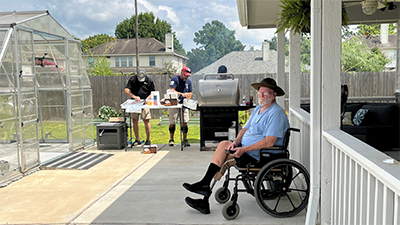 Safety without the Hospital Feel
When security becomes fragile, everything else tears. Households typically explain an expanding concern of the phone ringing late at night. Loss, medicine errors, cooking area mishaps, straying, dehydration - none of these troubles are new, yet isolation magnifies them.
Modern Aided Living areas approach safety and security with split, unobtrusive techniques. Apartments typically have step‑in showers with grab bars, bar takes care of, and non‑slip flooring. Hallways are vast. Lighting is brighter than in the majority of homes, with less darkness pockets that confuse depth perception. A resident can press a wearable phone call pendant or a wall surface button to alert team. Many neighborhoods currently provide very discreet activity sensing units that alert personnel if somebody has actually not moved for an uncommon stretch of time, like after a restroom visit. Family members in some cases are afraid that this modern technology replaces human treatment, but the most efficient programs use it as a prompt for a knock on the door, not as an alternative for eyes and conversation.
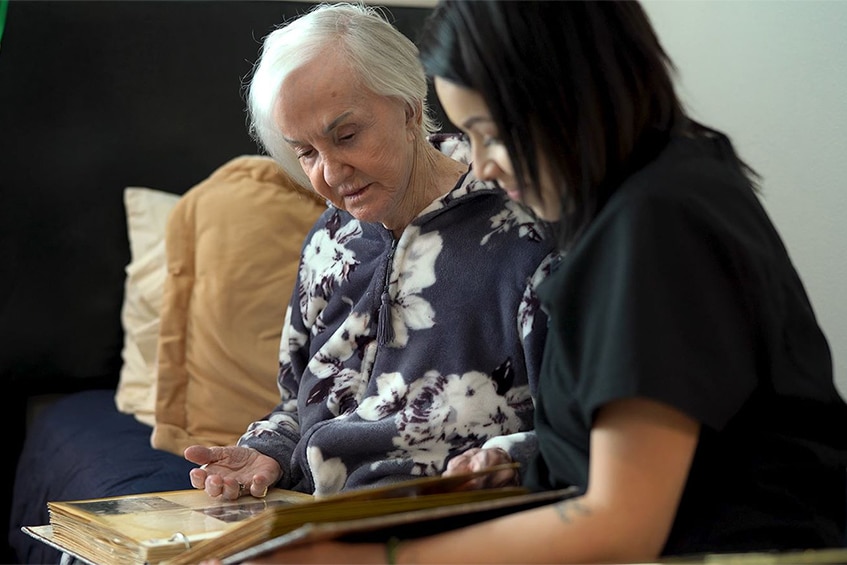
Medication management should have unique focus. In the house, even arranged individuals misread tags or miss doses, specifically with vision adjustments or light cognitive problems. In Assisted Living, personnel log each dosage and expect negative responses. One citizen I dealt with took eight medications at different times. After relocating, we combined routines with her doctor so she had 2 med passes per day. Adverse effects left and her power returned. That kind of small change hardly ever happens in a vacuum at home.
Fire safety likewise enhances. Stovetops in resident houses are commonly electrical or induction, and lots of areas include automated shutoffs. Sprinklers are basic. Team are pierced on evacuation protocols. It is the sort of infrastructure you do not think about till the most awful takes place, and afterwards you are grateful it exists.
The technique is maintaining safety from feeling like surveillance. Residents are grownups. They require options. The most effective groups utilize language that values freedom. Not, "You are not permitted to prepare," but, "Let us establish you up for success in the cooking area so you can enjoy it securely."
Socialization that Seems like Genuine Life
Loneliness is not solved by bingo alone. I have actually seen lively task schedules that never ever catch fire and small programs that change a neighborhood due to the fact that the society invites engagement. The purpose is not constant excitement. It is meaningful link at a rate that fits the person.
A retired educator may brighten when asked to lead a verse circle. A former accounting professional might take pleasure in handling the petty money for the resident store. One gentleman I met had actually been a machinist. He found purpose in the maintenance shop, assisting the group tag devices and sort hardware. He began eating far better and sleeping much better when he really felt helpful again.
Meals do a great deal of quiet job right here. 3 common meals daily develop supports. Even citizens who avoid early morning stretch course will often appear for lunch, which opens space for friendships. Eating staff tend to see that is missing out on and can push gently. Option issues also. Seek menus with options, not simply the everyday special. If your mommy is diabetic, ask how the kitchen handles carbohydrate matters and desserts.
Look carefully at transport. Communities that run reliable shuttles to local events, libraries, or faith solutions keep citizens plugged into the community past their front door. Belief leaders who check out, book clubs that include locals from the community, teenagers volunteering after institution - these bridges matter. They inform homeowners they continue to be part of a larger world.
For citizens who need Memory Care, socializing looks various but is no less important. Programs have a tendency to prefer smaller sized groups, much shorter sessions, and multi‑sensory tasks: songs from their youth, baking bread for the odor and structure, folding towels to satisfy the hands. The objective is convenience and link, not checking memory. When an area gets this right, anxiousness decreases. I have actually viewed a lady with mid‑stage mental deterioration hum along to a Sinatra record, then grab her husband's hand with a clearness he had actually not seen in months.
Daily Support That Restores Energy As Opposed To Draining Pipes It
At home, the tasks of life take in even more power than they should. A shower can seem like an exploration. Washing piles up. The cars and truck battery dies, or the snow shovel is much heavier than last year. Each task draws from the same restricted pool, and by supper there is nothing left for a stroll or a conversation with a friend.
Assisted Living redistributes that fill. Staff take care of the hefty training: housekeeping, bed linens, upkeep, well balanced dishes, and the rhythm of personal care. A local might still choose to make tea or fold washing, yet it comes to be optional, not necessary. Households commonly discover that their liked one appears more like themselves after a couple of weeks. That is not magic. It is the lack of consistent micro‑stress.
There are practical success, too. Bathing aid suggests less skin issues. Timely podiatry and dental visits protect against larger illness. A maintenance group that changes a light bulb the same day keeps minor risks from developing into falls. Transport to consultations suggests less cancellations and better follow‑through on treatment. When these assistances secure with each other, health and wellness maintains. People get ill less typically. And when illness comes, recuperation often tends to be smoother.
How Memory Treatment Fits - and When It's the Better Path
Not every parent who has problem with memory needs a protected Memory Care program. Light lapse of memory does not automatically need a secured door. The line often tends to revolve around security and stress. If a person wanders, puzzles day and night, or ends up being distressed in open hallways, Memory Care can lower risk while recovering calm.
The atmosphere differs in subtle methods. Passages loop back to usual areas instead of dead‑end. Darkness boxes outside apartment or condos showcase images and small things that assist with acknowledgment. Staff receive training in dementia interaction and redirection. Activities are much shorter, quieter, and based in everyday rhythms: establishing a table, watering plants, folding garments. These are not infantilizing jobs. They meet the brain where it is and offer success without stress. Families usually report fewer crises and more moments of connection, which is the genuine metric.
A son as soon as informed me he resisted Memory Take care of months because it felt like giving up. After a straying episode that finished with authorities and an anxious neighbor, he consented to trip. His mother moved into a tiny Memory Care community that smelled like cinnamon. Team greeted her by name. The door had a mural that resembled a bookshelf, and she quit attempting to go past it. Two weeks later, he stated, "We have dinner now. We discuss her yard. She is not frightened constantly." That is what you search for when considering memory look after moms and dads: less emergency situations, more peace.

The Financial Image, Explained Straight
Cost is a genuine constraint. Families really feel guilty confessing, but it belongs in the conversation early. Assisted Living is normally valued in two components: a base rent for the apartment, meals, housekeeping, and activities, plus a treatment level charge based on the assistance required. In lots of regions, regular monthly expenses range from approximately 3,500 to 7,500 dollars for Assisted Living. Memory Treatment usually runs greater, often 5,000 to 9,000 bucks, since staffing ratios are different and programs is specialized. Urban facilities and high cost‑of‑living locations can surpass these ranges.
Medicare does not pay for bed and board. It might cover skilled solutions such as physical therapy. Long‑term care insurance can offset expenses if a plan exists. Veterans and making it through partners ought to inquire about VA Help and Attendance. Some states offer Medicaid waivers that aid pay for Assisted Living or Memory Treatment, yet qualification policies differ by state and usually involve waiting lists. Households that possess a home frequently sell it to fund treatment or consider a bridge loan throughout the sales procedure. A blunt yet typical strategy is to pick an area that accepts exclusive spend for a collection period, after that permits Medicaid conversion when funds deplete. Ask the executive director just how that functions prior to signing anything.
I suggest developing a basic budget plan that covers 3 years at current treatment requirements, then including a buffer. Individuals live longer than they expect. Requirements tend to boost slowly. Clearness is kinder than surprise.
Quality Distinctions You Can See on a Tour
Brochures blend together. Clean buildings and grinning supply images inform you nothing. When I tour, I expect lived‑in details. Team that welcome locals by name without eying a graph. Supervisors that understand the day's food selection and the task schedule without looking. A maintenance person who stops to take care of a shaky chair as opposed to walking previous it.
Smells matter. A pale fragrance from lunch is typical. A relentless odor in a hallway is not. Pay attention for laughter and normal conversation throughout the afternoon, often the lulled hour when thin staffing shows. Peek into the activity area without being led there. Are homeowners engaged or do a couple of individuals get involved while others sleep in mobility devices along the wall? Look at the schedule uploaded and ask that really attended the last 3 events.
Ask just how the neighborhood deals with change in problem. A local with an urinary system system infection can decrease fast. Do they have nurse analyses on site? Do they coordinate with home health for short bursts of experienced assistance? Just how do they connect with families - phone, email, a family members portal?
The kitchen offers a home window right into operations. Request a sample dish. If the entrée is baked hen, ask whether there is a vegan alternative and exactly how they suit low‑sodium diet plans. Nutritional versatility costs money and time. Areas that do it constantly typically take the rest of treatment seriously.
The Household Duty Does Not End at Move‑In
Some family members are afraid Aided Living will replace them. Good communities do the contrary. They try to make you a partner. The landscape of duties adjustments, and for most people it comes to be even more sustainable.
Your power relocations from direct caregiving to advocacy and existence. You appear for supper, not to scrub a washroom. You bring fresh fruit or your dad's preferred cookies. You still track medical notes and objectives. You still push for an optometry visit or ask nursing to see a brand-new trembling. If your brother or sister lives throughout the country, provide a particular duty: expense tracking, pharmacy refill oversight, or visiting quarterly with a clear agenda.
Expect some disturbance in the first month. Routines shift. Sleep can be uneven. Appetite may dip after that rebound. The personnel and homeowner are learning each various other. Maintain a log of tiny observations and share them with the treatment group at the two‑week and thirty‑day check‑ins. These conferences exist for a reason. Use them.
Handling Resistance with Respect
Resistance often originates from worry. Loss of home, loss of control, loss of the acquainted chair by the window. Telling someone that Helped Living is "for the very best" is seldom convincing by itself. Beginning with the fear that keeps them up during the night, not your own. If your mommy frets about falling, frame the discussion around shower support and fast help if she slips. If your daddy dislikes eating alone, speak about the morning meal crowd and the coffee they serve.
Trial remains help. Lots of communities offer supplied respite apartments by the week. I have seen die‑hard doubters succumb to the early morning oat meal and newspaper routine, then make a decision to remain. Other times, a respite reveals an inequality, and that serves also. Better to evaluate and readjust than to require a step that fails.
Family unity matters. When 2 siblings say in the entrance hall regarding whether Dad can stay home, team pick up on the tension and every person loses focus. Hash out disputes before you visit. Decide who will be the key get in touch with. Put an easy plan on paper and share it with the team.
Edge Instances and Trade‑Offs That Deserve Thought
Not every older grown-up prospers in a group setup. Individuals with profound introversion may discover consistent closeness testing. Try to find floor plans with peaceful nooks, small dining-room, or the choice to eat in an apartment or condo sometimes without stigma.
Pets can be a deal‑breaker. Many Aided Living neighborhoods are pet‑friendly within weight limitations and with a care strategy if the homeowner can not handle strolls dependably. Be sincere about what is sustainable. An ignored animal produces tension for everyone.
Couples introduce complexity. If one partner needs Memory Treatment and the other does not, inquire about adjacent apartment or condos, shared meal plans, and exactly how the healthy and balanced spouse can access the secured area quickly. I have seen couples grow with a routine that includes morning meal together, different task tracks mid‑day, after that a night stroll and dessert.
Cultural fit issues. Food practices, language, and religious method shape whether an area feels like home. Do not apologize for searching for a neighborhood where your parent hears their language in the corridor or sees their vacation observed.
A Quick, Grounded Checklist for Touring
- Ask concerning staffing ratios by shift and just how commonly those proportions are met. Request a sample month-to-month billing with base lease and current care degree fees. Eat a dish in the dining-room. Notice pacing and temperature level of the food. Meet the nurse or health director and ask how they deal with an autumn at 2 a.m. Talk to two citizens and one member of the family without personnel hovering.
Why Households Typically Wish They Had Actually Relocated Sooner
I do not state this lightly. Individuals frequently inform me they waited six to twelve months also long. They wished to prevent a tough conversation, or they wished a couple of home adjustments would lug them through. By the time the step occurred, a loss or a scare had trembled everybody, and the moms and dad arrived depleted.
Moving earlier captures more good days. It allows your parent enter with strength, make good friends, check out the structure, and established routines before a crisis. It provides you time to construct count on with the staff. The emotional lift can be genuine. A man that as soon as told me he would "never ever live with a number of old people" began holding court at a sunny corner table, exchanging sporting activities stories. He still stated he missed his house. He also claimed he really felt much safer, and his child quit examining her phone every hour.
Measuring Success After the Move
Success appears like steadiness. Fewer 911 calls. Weight in a healthier array. Garments transformed consistently without triggering from family members. A calendar with a couple of circled occasions that your moms and dad really participates in. Conversations that meander, not always regarding illnesses or stress. Giggling that turns up in little minutes. Not perfection, not a return to 55, however a life that really feels lived rather than endured.
If that is not taking place after a reasonable change duration, speak out. Occasionally a different assistant, a brand-new medicine timetable, or a space more detailed to the dining-room changes the whole image. Occasionally the fit is wrong and one more area would certainly serve better. Good Elder Care is not static. It develops with the person.
The Bottom Line for Family Members Considering Helped Living for a Parent
Assisted Living, at its finest, safeguards safety and security without surrounding independence. It changes solitude with manageable community. It takes the work out of every day life so energy can flow back to relationships, regimens, and small pleasures that make days worth living. Memory Treatment includes a layer for those whose minds need a gentler, safeguarded setting and team learnt dementia care. None of these settings remove the complexity of aging. They do, nevertheless, broaden the margin completely days.
If you are weighing options, begin with a clear view of needs, a convenient budget, and a photo of what an excellent day need to look like for your parent. Scenic tour with objective. Ask uncomfortable concerns. Bring your parent into the procedure as high as dignity permits. Then choose a neighborhood that provides security with regard, socialization with choice, and support that feels like collaboration. That is the heart of Senior Care worth having.